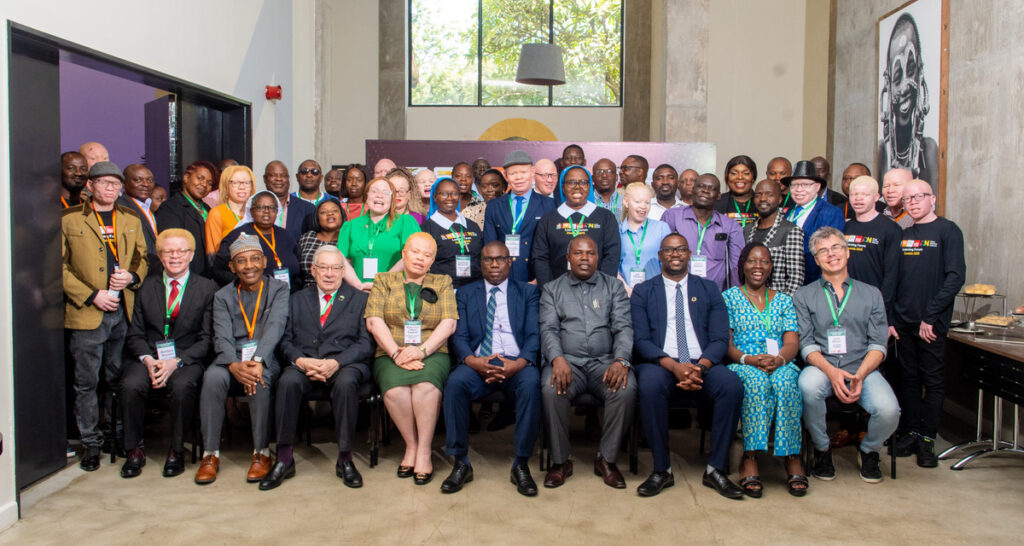
From April 8-9, 2025, the Africa Albinism Network (AAN), in partnership with Cheshire Homes Society of Zambia (CHSZ) convened a Learning Forum in Lusaka, Zambia. The Forum was attended by 72 participants, including 13 albinism groups from 8 African countries, key stakeholders from Government, Academia, and the Disability movement in Zambia. At its core was a shared vision—to develop and adopt a National Action Plan (NAP) on albinism that responds to systemic discrimination and safeguards the rights of persons with albinism (PWA) in Zambia.
A Platform for Change
The Learning Forum also served as a launching pad for transformation. Central to its opening was the unveiling of the report “Access to Justice for Persons with Albinism – Challenges and Solutions in Zambia.” This landmark document shed light on the legal loopholes and cultural injustices faced by PWA, especially in rural areas where harmful beliefs and myths fuel ritual attacks and discrimination.
The UN Independent Expert on Albinism, Muluka-Anne Miti-Drummond, called for Zambia to join the global movement of nations taking bold, legally binding steps to protect the rights of PWA.
Bridging Policy and Practice
Sessions on Day 1 delved into policy instruments and shared African experiences. One of the Forum’s highlights was the presentation of the African Union (AU) Plan of Action (2021–2031) by Ms. Haingo Rakotomalala. She emphasized a human rights-based approach to advancing the rights of PWAs, echoing the adage “Nothing about us, without us.”
A panel of experts from Angola, Malawi, Tanzania, and Uganda shared best practices and lessons learned in developing their NAP. From Malawi’s budgetary backing to Uganda’s multi-sectoral steering committees and Tanzania’s six-year path to adoption, the insights reinforced a crucial message that progress is possible, but it demands persistent advocacy, inclusive dialogue, and strategic engagements.
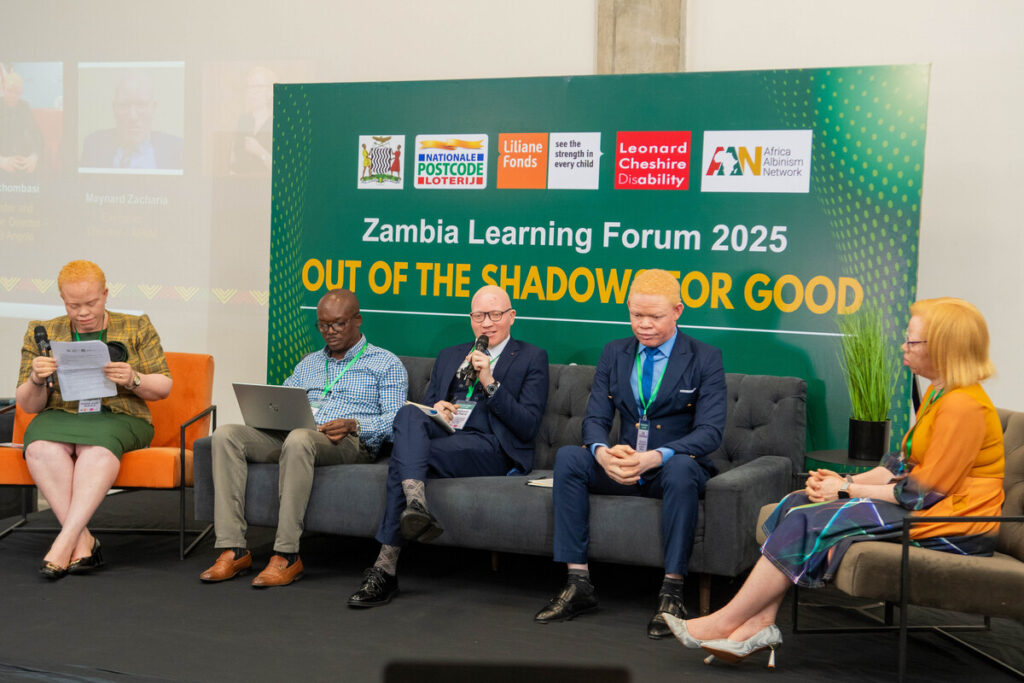
“Inclusion is not charity, but justice! My advice to the albinism community in Zambia: Identify where albinism-related issues are and target the right ministries and departments.”
– Olive Namutebi, Albinism Umbrella from Uganda
Unpacking Justice and Human Rights
UNICEF’s report “Albinism & Rights in Zambia,” presented by Mr. Alick Nyirenda from UNICEF Zambia, painted a nuanced picture of stigma, exclusion, and resilience. It was evident that while public awareness is growing, major gaps in access to healthcare, education, and protection remain, particularly for girls and women with albinism, who face elevated risks of abuse and early marriage.
Dr. Lungowe Matakala’s analysis of the justice system in Zambia revealed stark realities: perpetrators of ritual attacks often evade punishment due to legal loopholes, and systemic ignorance within law enforcement undermines victims’ dignity. Her call for legal reform, including fast-track courts and targeted legislation, received resounding support.
From Dialogue to Action
Day 2 continued the momentum with a focus on budgeting, strategy, and stakeholder engagement. Mr. Bonface Massah, Executive Director of AAN, offered powerful examples from Kenya and Malawi, where sustained advocacy, community partnerships, and albinism advocates catalyzed real change. He reminded the audience that securing resources is not just about numbers—it’s about building trust, leadership, and national ownership.
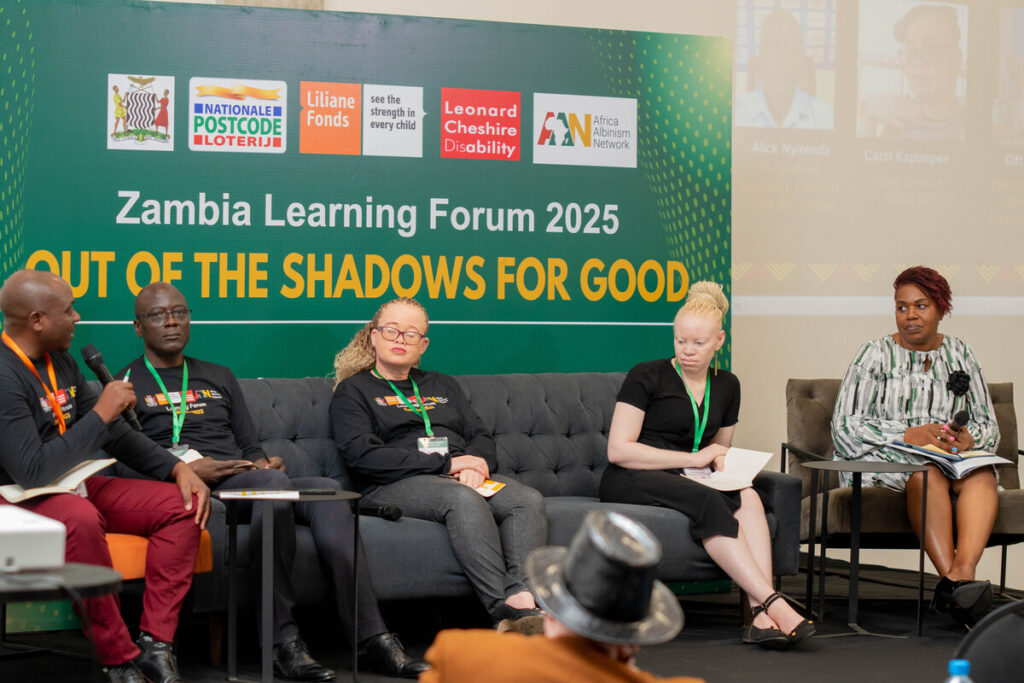
The expert roundtable tackled key challenges such as inclusive education, legislative reform, and psychosocial support. Advocates emphasized that empowering PWAs must begin early—in classrooms, in homes, and in local health centers. Language matters, too, as Ms. Gift Sakala urged attendees to abandon derogatory labels and embrace person-first terminology such as “Person with Albinism” as opposed to “Albino” to foster respect and understanding.
Collective Resolutions: A Pledge for Progress
Perhaps the most inspiring segment of the Forum was the groupwork session designed to build a realistic, actionable blueprint for Zambia’s National Action Plan. Through a series of group exercises, participants identified key priorities: healthcare access, inclusive education, legal reform, public awareness, and economic empowerment. They proposed tangible strategies, from expanding dermatological care and access to sunscreen to creating safe school environments and public awareness campaigns.
Four thematic presentations underscored the shared commitment to cross-sectoral collaboration. The closing session saw Rights Holders, Duty Bearers, and Development Partners alike present unified resolutions, advocating for budgetary allocations, technical support, and full adoption of the NAP by late 2025.
Conclusion
As the Forum concluded, its message was clear: ignorance and discrimination can only be dispelled by coordinated, compassionate, and courageous action. From parliamentarians to grassroots activists, from international allies to Zambian educators, the collective will to transform the lives of persons with albinism was palpable. With a roadmap in hand and partnerships in place, Zambia now stands on the threshold of meaningful change.
The Learning Forum 2025 was supported by Nationale Postcode Loterij and Liliane Fonds, in partnership with The Government of Zambia, Cheshire Homes Society of Zambia (CHSZ), and the Africa Albinism Network (AAN), as part of the implementation of the program “Out of the Shadows for Good: Ending the Murder, Mutilation, and Exclusion of Children and Adults with Albinism in Zambia”.